
Are The United States About To Do To Iran What They Did to Venezuela?
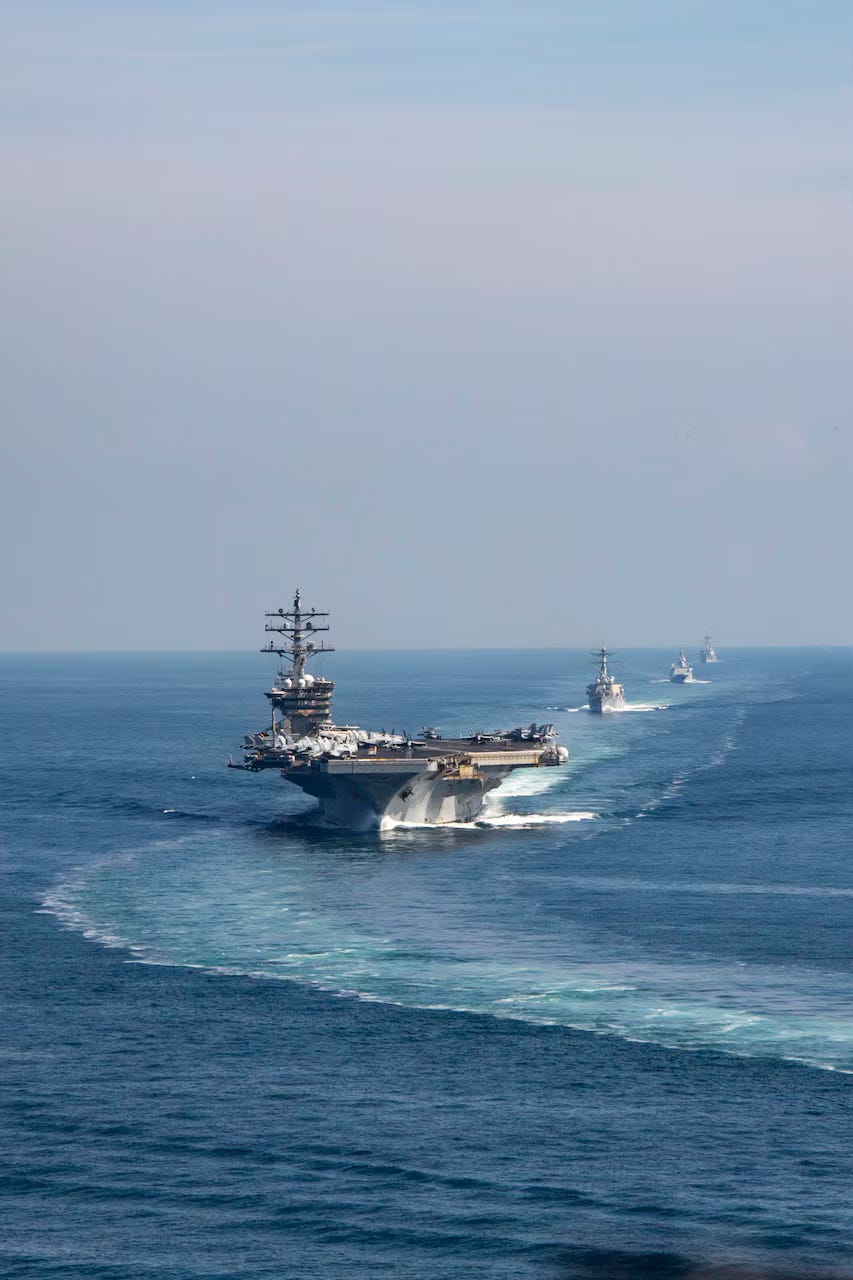
Iranian drone shot down, armada in position, negotiations underway

If you follow certain topics long enough, something curious happens:
you begin to recognize the same patterns repeating themselves, year after year.
And no, it’s not magic or arrogance—it’s experience.
It’s a kind of geopolitical sixth sense.
So the question in the title is only apparently simple:
do the United States really want to strike Iran?
The honest answer is: we don’t know.
We don’t know what Trump and the Pentagon are actually planning.
But there is one thing we can do:
observe their actions, compare them with U.S. strategic interests, and from there envision the most likely scenarios.
And this is where the patterns begin to emerge.
War Is Never the First Choice
As I have explained on other occasions, states resort to war only as a last resort.
The sequence is almost always the same:
first, negotiations
then, threats
only at the end, strikes
These days, the United States and Iran are almost certainly negotiating.
On one side, the Iranian regime:
wants to avoid a direct attack
cannot afford to appear even weaker in the eyes of a population already exasperated by the economic crisis
On the other side, the United States:
knows it could be long and costly
and, in the worst case, fail to deliver the desired outcome
A mistake history knows all too well.
Putin made it in 2022, failing in Kyiv.
Hitler made it in 1939, launching a war that would lead to capitulation.
Libraries are full of such examples.

No One Wants a Clash. But It Can Still Happen.
It’s true: neither side wants a direct confrontation.
But it’s equally true that it could still happen.
Because leaders, before being strategists, are human beings.
And like all human beings:
they have emotions
and above all: pride and resentment
Feelings that have killed more people than any ideology.
Here too, history offers no shortage of examples.
Now let’s try to take a step forward.
Let’s understand what could happen, starting from what is happening today and from the real strategic objectives at stake.
Why Everything Revolves Around China
Starting in 2020, an uncomfortable fact became clear in the United States:
China is no longer an “emerging country.” It is a mature rival.
And this is where everything else must begin.
Almost every American geopolitical move of the past few years responds to a single objective:
being ready for a systemic confrontation with China.
In the meantime:
muscle is being flexed
deterrence is being strengthened
efforts are made to discourage or at least delay conflict
Not to avoid it altogether.
But to reach it under the best possible conditions.
As I have often written elsewhere, this is the main reason behind actions in Venezuela, Ukraine, Syria, Iran, and Gaza.
Iran Is No Longer Just a “Rogue State”
In this context, Iran’s role changes.
It is no longer merely:
an authoritarian regime
a country that oppresses its population
a mad theocracy
It becomes something more:
a strategic ally of China—one of its best allies. Part of the CRINK bloc.
And that automatically makes it a problem for the United States.
Just as the U.S. acts as an empire and leverages its “periphery”—Europe and the British Commonwealth—China does the same.
And in recent years, the American strategy has been to weaken or eliminate the periphery of the Chinese empire.
If you understand this point, you understand 80% of the Iranian question.
How Does Iran Actually Help China?
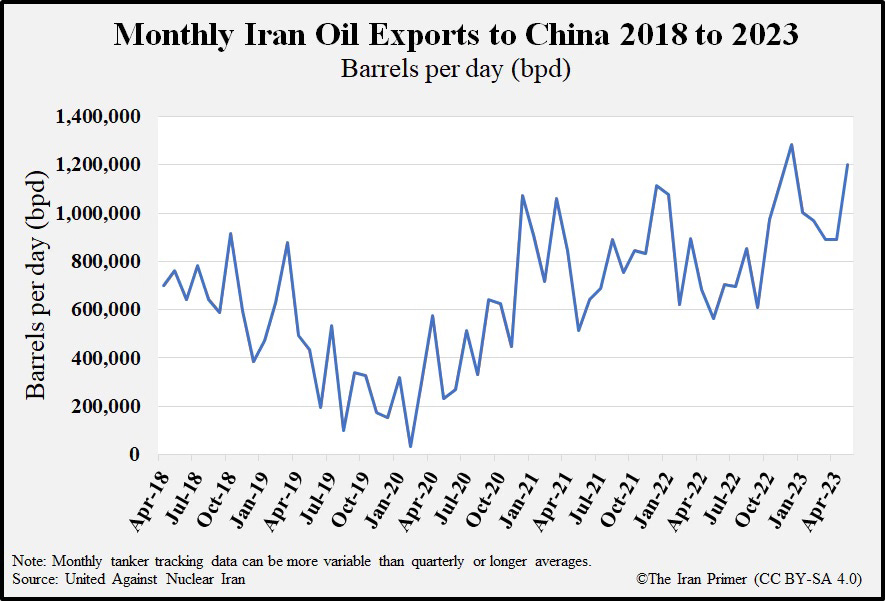
1. Oil (in large quantities, and at a discounted price)
Iran is extremely rich in oil.
And China purchases around 80% of its total production.
In plain terms:
without China, Iran’s economy would be far more fragile.
For Beijing, this is a perfect deal:
Iranian oil is under sanctions
therefore it is sold at lower prices
and it allows China to sustain its industrial and military growth while paying less
While Europeans and Americans buy energy at market prices, China does not.
And this is a major military advantage—even if it doesn’t look like one, because it is indirect.
2. “Low-Cost” but Effective Military Innovation
Iran has done something smart:
it turned a weakness into a strength.
Unable to compete in advanced technology, it instead focused on:
simple systems
inexpensive solutions
mass production
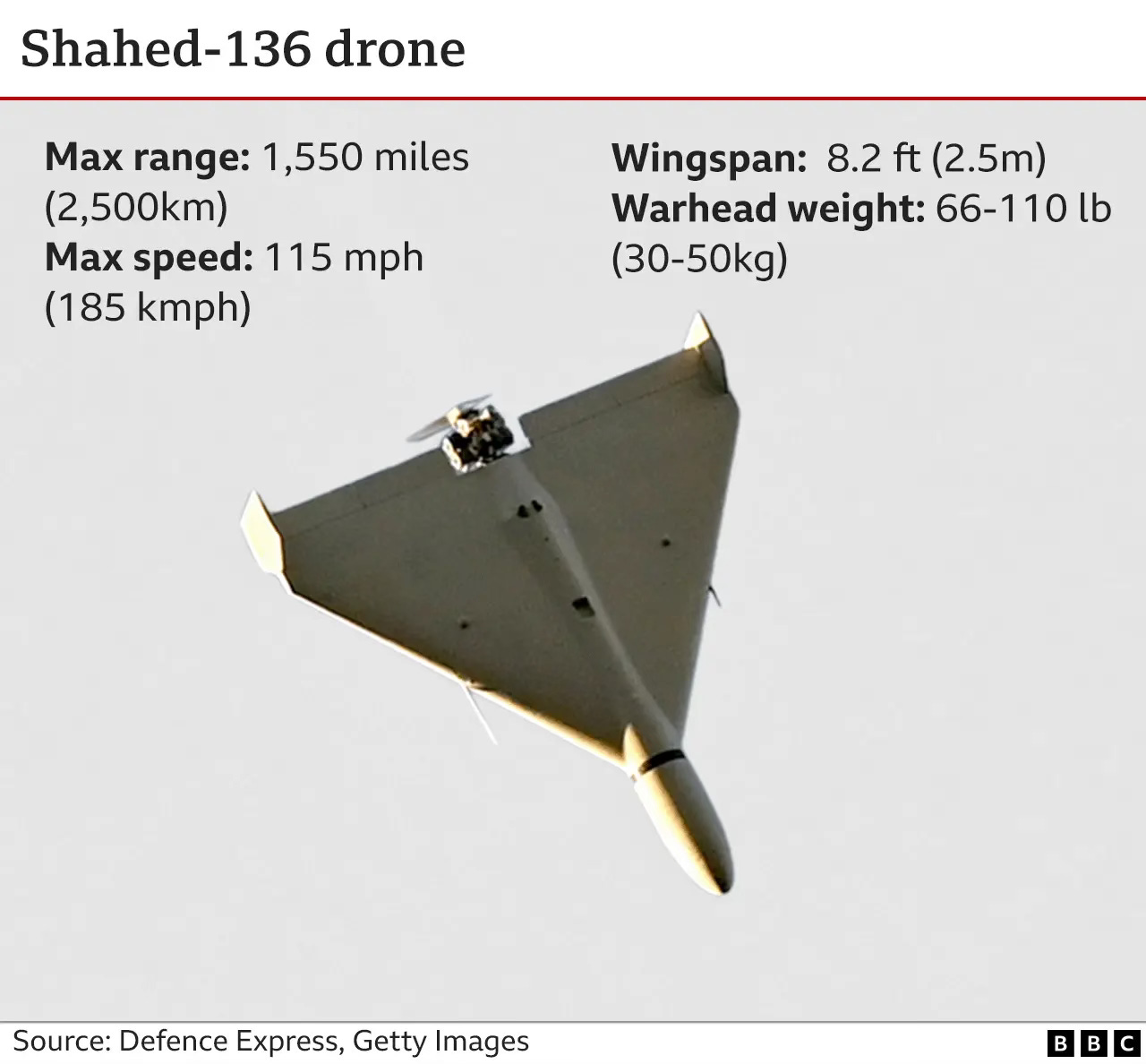
It was among the first to invest seriously in kamikaze drones.
Before the war in Ukraine, in the West:
drones were seen as expensive tools
sophisticated
designed for complex missions
Then Iran supplied waves of drones to Russia.
And the world realized it was unprepared—and vulnerable.
The problem is not intercepting them; that can be done. Drones are slow and not very agile.
The real problem is intercepting them in a sustainable (cost-effective) way:
a drone costs very little
an interceptor missile costs far more
and we do not produce enough of them
3. Proxies and Indirect Warfare
Iran also helps China indirectly, through proxy militias.
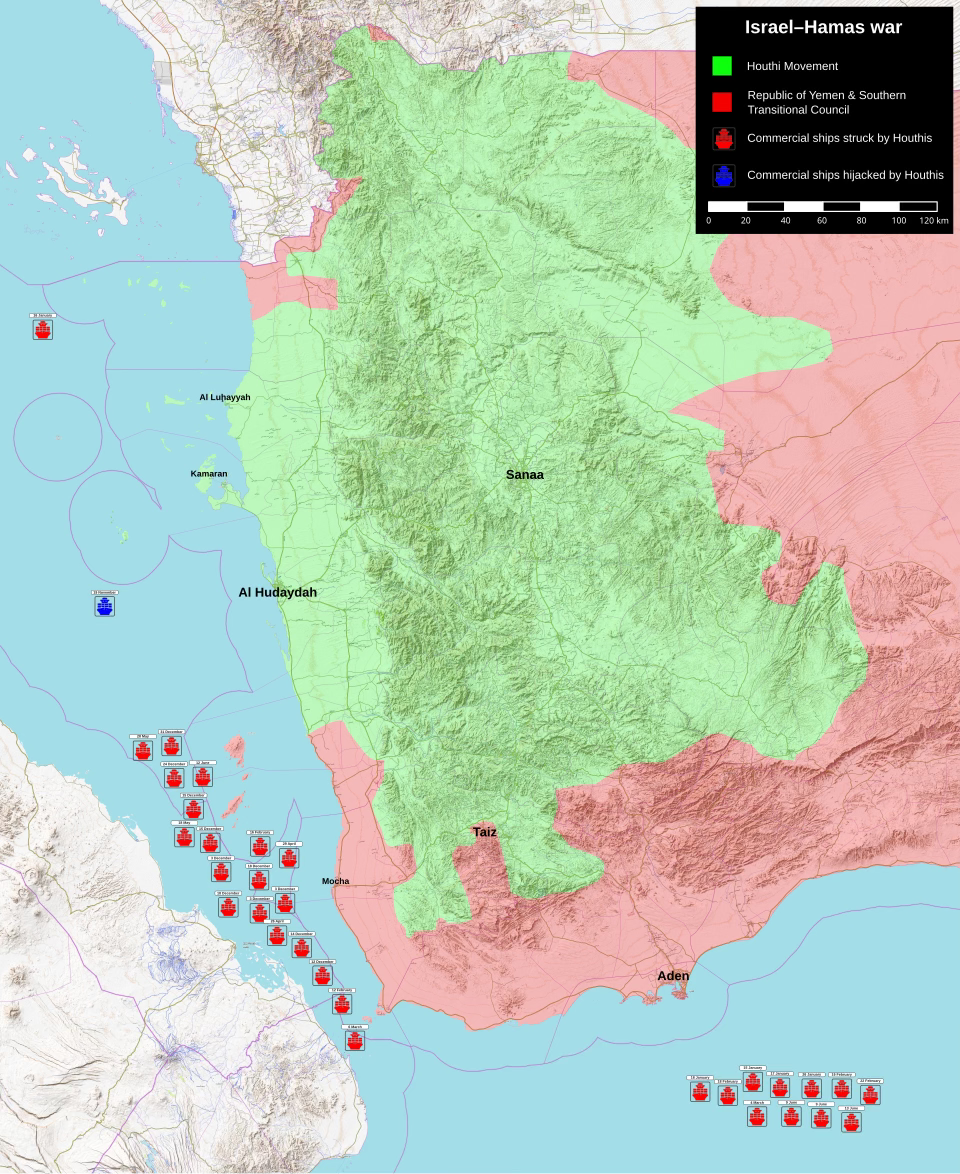
Think of the Houthis and what they managed to do for months in the Red Sea.
commercial routes disrupted
costs increased
constant pressure on the West
All without a direct confrontation.
Without overexposing themselves.
Pure asymmetric warfare. The main victims of the Houthi actions were Europeans, who saw prices rise because circumnavigating Africa costs far more than passing through the Suez Canal.
Why the Parallel with Venezuela Holds
Just as Venezuela was useful to China,
Iran today is even more so.
And that is why the American strategic objective is a single, clear one:
to pull Iran away from China.
What would that mean?
cutting off oil supplies to Beijing
reducing Iran’s contribution to indirect warfare
rendering Iran strategically harmless
And, not an insignificant bonus:
gradually freeing the United States from its commitments in the Middle East.
A neutralized Iran would make Israel the de facto dominant power in the region.
Capable of managing the area by American proxy, allowing Washington to focus elsewhere
— specifically the Pacific, always with China in mind.
The Iranian Regime’s Real Choice
If the regime wants to stay in power and continue doing as it pleases within Iran,
there is only one realistic path: becoming more accommodating in foreign policy.
If Tehran:
abandons the development of a nuclear weapon
stops acting as a crutch for China
and cuts its ties with Russia
it is entirely plausible that this would be enough for the United States to avoid a direct confrontation.
In that case, everyone would save face.
The regime:
retains internal control
continues repression as before
and can even sell the outcome as a victory
→ “we scared the Americans”
The United States:
removes a strategic ally from China’s orbit
weakens the anti-Western axis
strengthens a regional ally (Israel)
and continues its real plan: not being caught unprepared.
Possible Peace or Inevitable Clash?
Will these two states manage to find a peaceful solution?
Will they negotiate an agreement acceptable to both sides?
Frankly, I don’t know.
Iran is not Venezuela.
It has more resources, more room to maneuver, greater staying power.
The regime may choose to hold out for as long as possible, hoping to exhaust and unsettle its opponent.
But one thing is beyond dispute:
the United States can no longer afford an Iran aligned with China.
One way or another,
at any cost,
a solution will have to be found.
Thank you for reading this far; I invite you to share your opinion respectfully and to follow me.
-Simone.
